
Machine Learning in Web Development: Practical Applications
Published on October 16, 2025 by durga
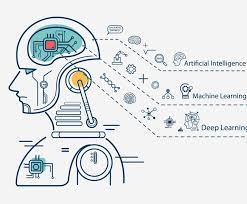
Machine Learning (ML) is no longer confined to data science labs. It's increasingly being integrated into web applications to create smarter, more personalized user experiences. Let's explore practical applications of ML in web development.
Recommendation Systems
One of the most common applications of ML in web development is recommendation systems. These systems analyze user behavior to suggest relevant content, products, or services.
Implementation Approaches:
- Collaborative Filtering: Recommends items based on similar users' preferences
- Content-Based Filtering: Suggests items similar to those a user has interacted with
- Hybrid Approaches: Combines multiple methods for better accuracy
Natural Language Processing (NLP)
NLP enables web applications to understand and process human language, opening up numerous possibilities:
Applications:
- Sentiment analysis for customer feedback
- Automated content categorization
- Chatbots and virtual assistants
- Language translation services
- Content summarization
Computer Vision
Computer vision capabilities are becoming more accessible through web APIs and browser-based ML libraries.
Use Cases:
- Image recognition and tagging
- Facial recognition for authentication
- Object detection in images
- Augmented reality features
- Medical image analysis
Predictive Analytics
ML models can predict future trends and user behavior, helping businesses make data-driven decisions.
Examples:
- Predicting customer churn
- Forecasting demand for products
- Optimizing pricing strategies
- Predicting equipment failures
Implementation Tools and Frameworks
Client-Side ML:
- TensorFlow.js: Run ML models directly in the browser
- ML5.js: Friendly interface for creative coding with ML
- MediaPipe: Google's framework for multimedia processing
Server-Side ML:
- TensorFlow: Comprehensive ML platform
- PyTorch: Popular deep learning framework
- Scikit-learn: Simple and efficient ML library for Python
- FastAPI + ML: Build ML APIs quickly
Cloud ML Services:
- AWS SageMaker
- Google Cloud AI Platform
- Azure Machine Learning
- IBM Watson
Best Practices for ML in Web Apps
1. Start Simple
Begin with pre-trained models and cloud APIs before building custom solutions.
2. Data Quality
Ensure you have clean, relevant, and sufficient data for training models.
3. Privacy and Ethics
Implement proper data privacy measures and consider the ethical implications of your ML applications.
4. Performance Optimization
Optimize model size and inference time for web deployment.
5. Continuous Learning
Implement systems for model updates and retraining as new data becomes available.
Challenges and Considerations
- Model deployment and scaling
- Data privacy and security
- Model interpretability and bias
- Performance and latency requirements
- Maintenance and updates
Machine Learning in web development is an exciting field with immense potential. As tools become more accessible and powerful, we can expect to see even more innovative applications that enhance user experiences and drive business value.